| Grade | Typical condition | Usually fit for |
|---|---|---|
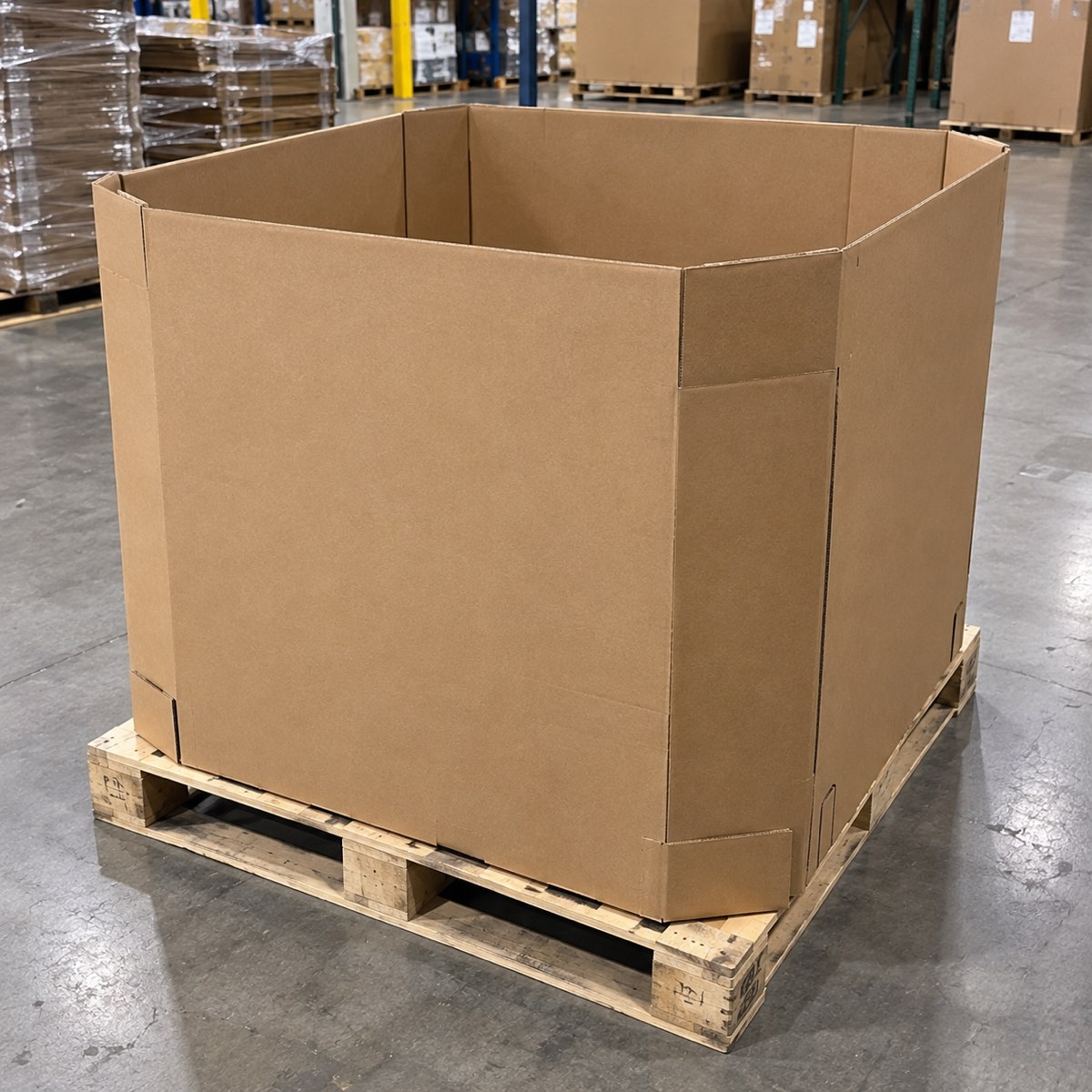
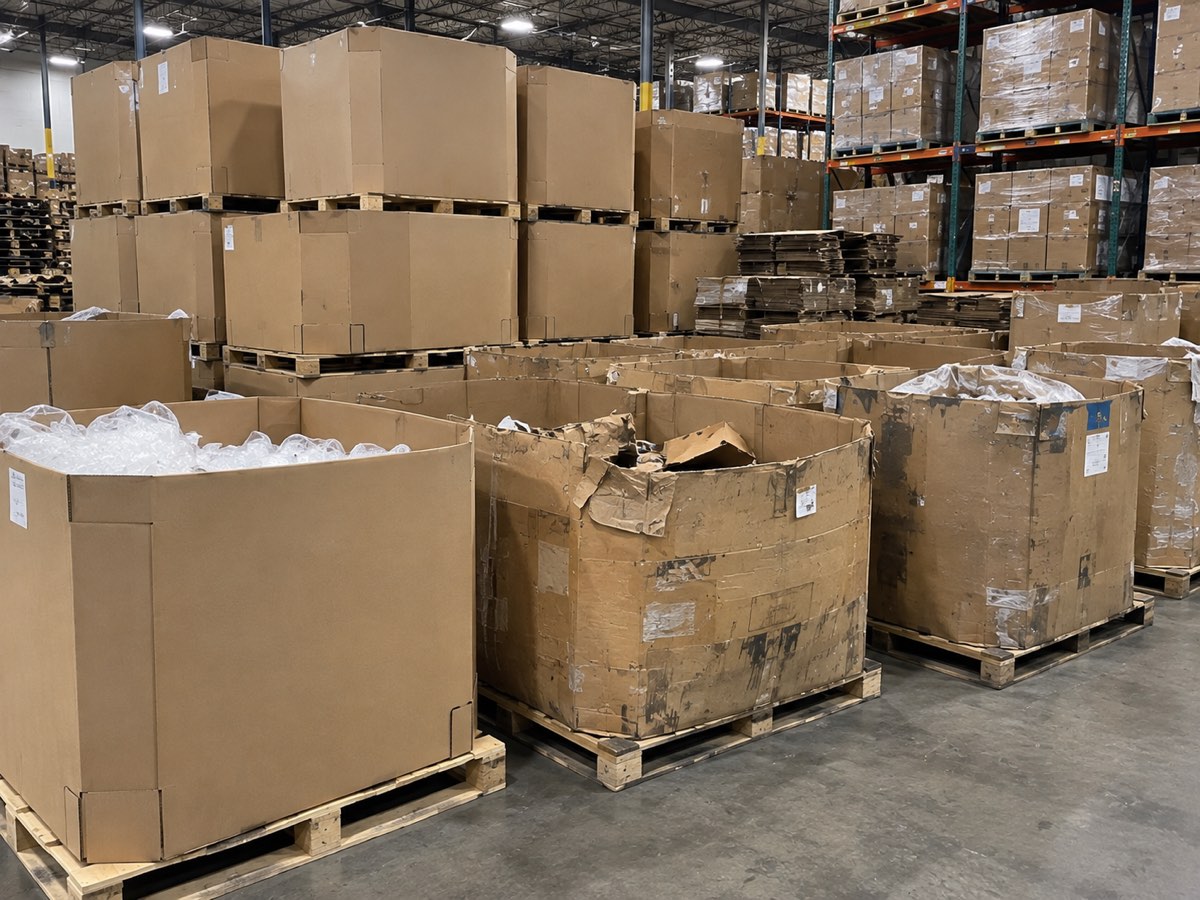
| A | One trip. Full flaps, square, clean, no patches or holes. | Repeated handling, customer-facing use |
| B | A few trips. Sound walls and corners, light wear, all flaps present. | Internal transfer, general bulk |
| C | Repairable. A damaged panel, a cut top or a missing flap. | Low stacks, scrap, a few internal moves |
| D | Worn. Several damaged panels, soft corners. | One more internal move, then recycling |
| E | Finished as a box but clean and dry. | Recycling |
| F | Wet, contaminated or hazmat-marked. | Not for reuse |
What to check yourself
- Walls: no crushed flutes and no liner peeling from the medium.
- Corners and scores: no crushed, split or re-taped corners.
- Flaps: present and intact, unless you ordered cut tops.
- Moisture: no damp, warped or soft board.
- Contamination: no residue, odour, staining or pest evidence.
- Squareness: the box stands square when set up.
Agree what the grade means before you order, and inspect on arrival so any problem is raised with the supplier straight away.
Continue through the size guide
Grades, side by side
Request a grade
Tell us the grade, size and quantity. A partner supplier follows up with a quote.
Common questions
About grades a–f explained
Is there an official grading standard for used gaylords?
No. Grade letters are a common convention, but there is no certifying body. Ask each supplier what their grades mean physically.
Which grade should I buy?
Count how many times each box is handled and whether customers see it. Repeated handling or visible use points to higher grades; one internal move can suit a lower grade.